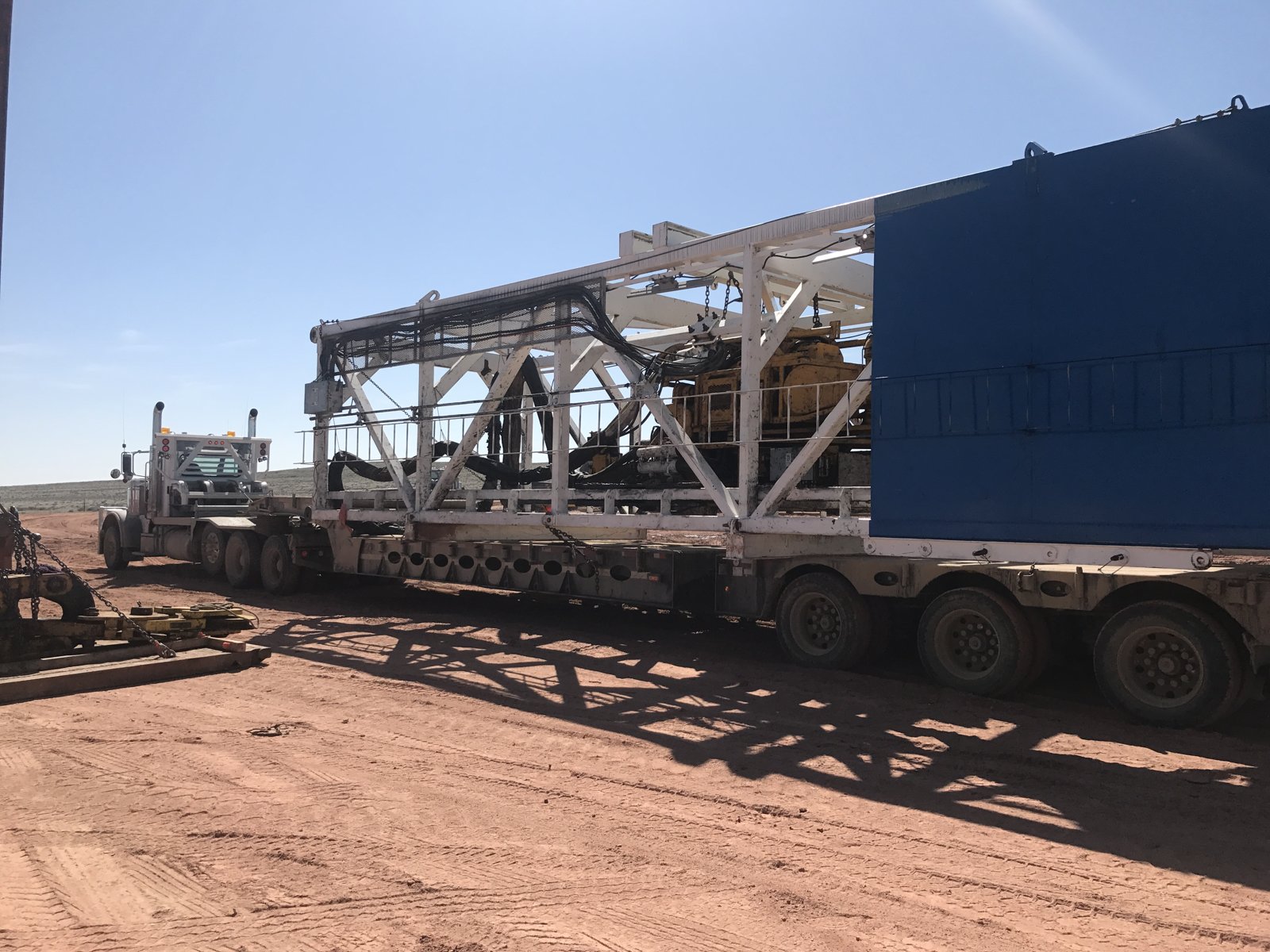
The way in
Follow the path from the road to where the load will go. Look for narrow spots, sharp bends, low branches and parked vehicles. Whatever would make you slow down in a pickup deserves a mention when you call.
Gates
Check how wide the opening is with the gate fully open, and whether the truck has a straight run at it. The post on tight access goes into gates and corners.
Room to turn around
A truck and trailer that drive in have to get back out. If there is no room to turn, say so on the call, because backing a long trailer out changes the plan.
Overhead lines
Look up along the whole path and above the spot where the load will sit. Power lines and heavy branches both count.
Soft ground
Note where the ground is firmest and where it stays wet. A heavy truck needs firm ground to drive and stop on. What can hold up a haul explains what happens when it isn't.
What is buried
Septic tanks and lines, wells and other buried lines can be damaged by a heavy truck driving over them. Point out what you know about. What to point out before the truck arrives covers this in full.
Where the load goes
Pick the spot before the truck comes, and make sure a truck can reach it. For gravel, see gravel hauling. For a tank, see winch truck services.
Planning around winter and spring thaw
Frozen ground, snow and thawing ground all change what a truck can do on your site. If you have a choice of timing, ask us about it when you call. Access is also a cost driver, as how much hauling costs explains, and the trailer a job needs changes how much room it takes, as the comparison guide shows. Short answers are in the FAQ.