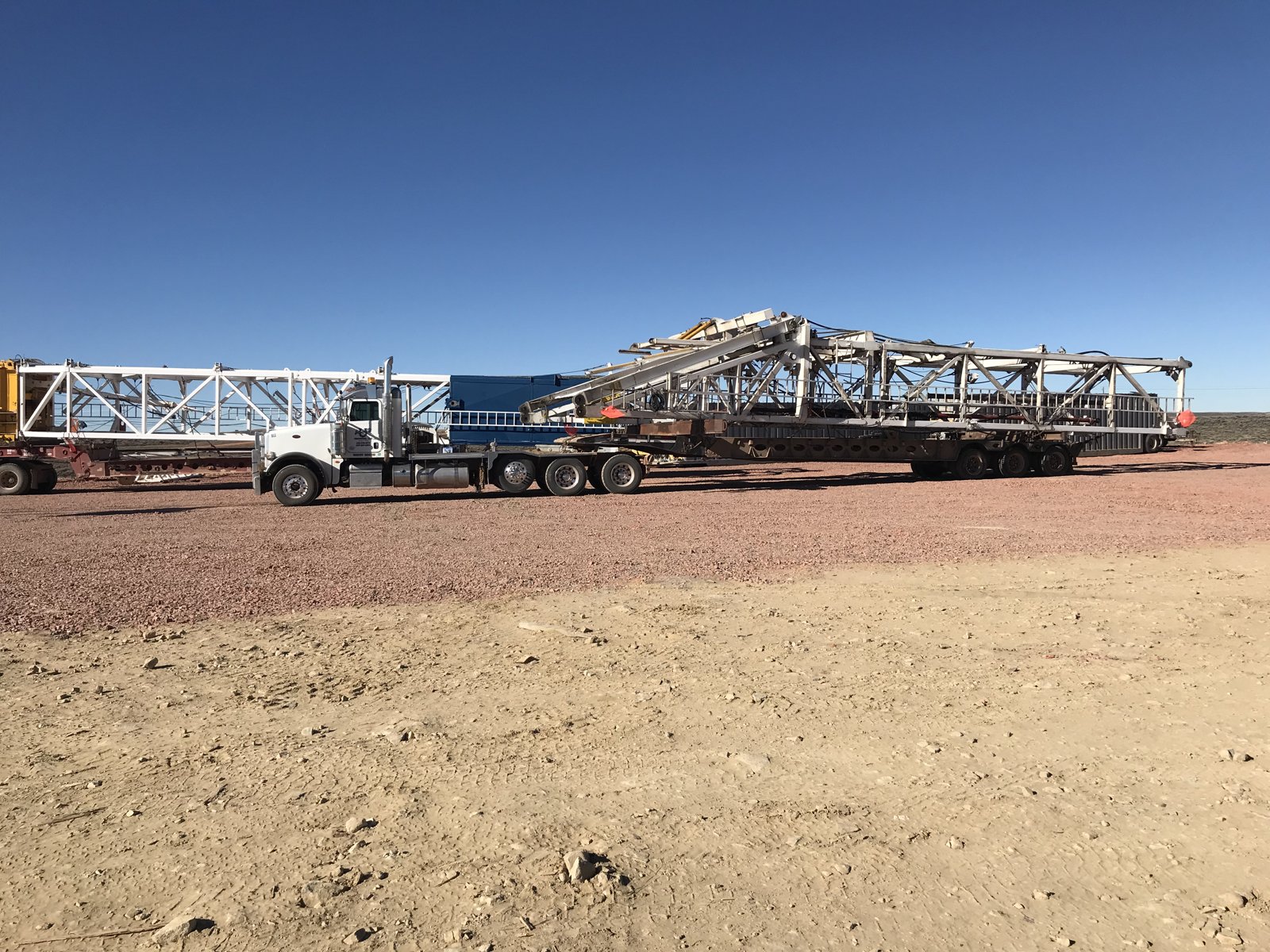
Winter: snow, ice and access
In winter, the biggest problems are usually at the way in. Snow piled at a gate can narrow the opening. Ice on a sloped lane can make it hard for a heavy truck to climb or stop. Snowbanks can hide ditches, rocks and the edges of the lane.
If a haul is planned for winter, make sure the way in is cleared, wide enough and not icy. Clear the gate fully, not just enough for a car. Clear the spot where the load will go and the room to turn around. Mark the edges of the lane if they are hidden under snow.
Winter: frozen ground
Frozen ground can be firm enough to hold a heavy truck. In that sense, winter can be a good time for some hauls. But frozen ground can also hide problems: a buried line that is hard to find, a soft spot that thaws in a warm afternoon, or a slick surface under a dusting of snow.
Mark buried lines, septic systems and wells before the snow comes, if you can, so you can still find them later. The post on what to point out before the truck arrives covers each of these.
Spring thaw: why it is hard on trucks
Spring thaw is the hardest time of year for heavy trucks on soft ground. As the weather warms, the top layer of ground thaws while the ground below stays frozen. The water from the thaw can't drain down, so the top layer turns soft and muddy.
Ground that held up all winter can become too soft for a loaded truck. Lanes rut. Lawns give way. Trucks sink. Soft ground, mud and heavy trucks explains why soft ground stops a heavy truck.
How thaw affects your haul
During thaw, a haul that would be simple in summer may have to wait. If the only way in is across ground that is thawing, the truck can't get in without doing damage. The haul is better put off until the ground firms up.
This is why we're honest about spring thaw from the start. What can hold up a haul explains it alongside the other causes of delay. A date that moves because of thaw saves your property from ruts and damage.
Planning around the seasons
If your job is flexible, plan it for a time of year when the ground is usually firm. Late summer and early fall are often the easiest. If your job has to happen in winter or spring, plan for the chance that the date may move.
Think about the whole job, not just the haul. If gravel is needed for a lane, the crew spreading it needs good weather too. If a machine is needed on a job site, the site itself may be too wet to work in thaw.
Checking the ground before the day
Whatever the season, check the ground a day or two before the haul. Walk the way in, the spot where the truck will stop and the turnaround. Push a shovel or a stake into the ground. If it goes in easily, the ground is soft.
If the ground has changed after you booked, call us. It is always better to talk it over on the phone than to find out with a loaded truck at the gate.
What to tell us
- Whether the way in is cleared of snow and ice.
- Whether the lane is sloped, and how it holds up in winter.
- Whether the ground is soft, wet or thawing.
- Where buried lines, septic systems and wells are, if snow might hide them.
- How flexible the date is.
Getting your site ready for a truck covers the full set of site checks, and the post on tight access covers gates, corners and overhead lines.
Next step
How much hauling costs explains how access and ground feed into a quote, and flatbed vs. lowboy vs. winch truck explains what each truck needs from a site. When you're ready, call (208) 271-3641 or send the quote request form.