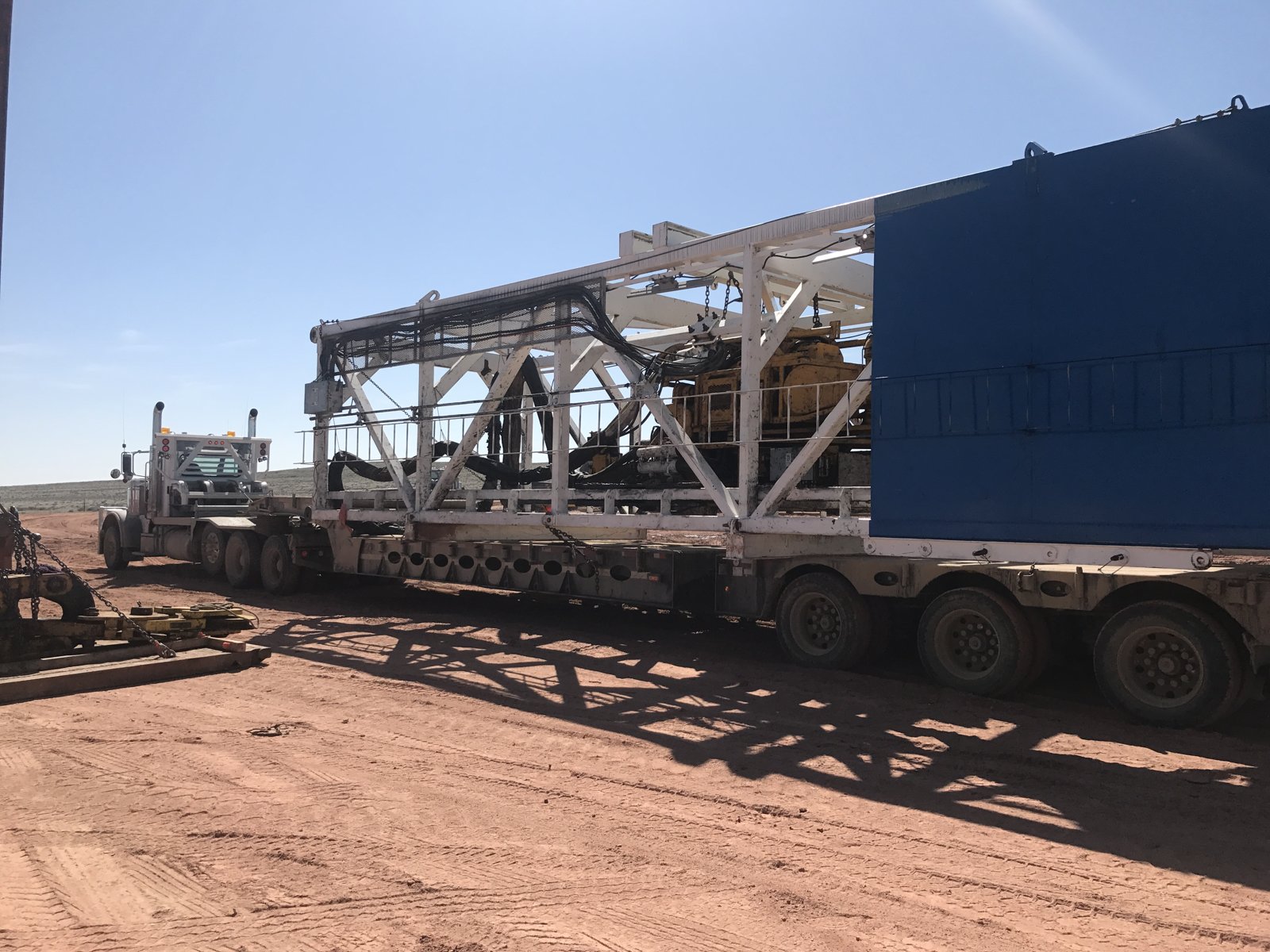
Know when the machine is done
The first thing to pin down is when the machine will be done at the first site. Not when it is supposed to be done, but when it is likely to be done. Jobs run long, and a machine that is still working can't be loaded.
Then pin down when the machine is needed at the next site. The gap between the two is the window for the move. Tell us about both ends of the window, and how firm each one is.
Describe the first site
A job site changes from day to day. The spot where the machine is working today may not be reachable by a truck and trailer tomorrow. Tell us where the machine will be when the work is done, how a truck gets to it, and what will be around it.
Job sites are often busy. Other trucks, machines, materials and crews can all be in the way. Tell us who is running the site and who the driver should look for. The post on tight access covers the way in.
Describe the next site
The next site needs the same attention. Where should the machine be unloaded? How does a truck and trailer get there? Is there room to unload and turn? Is the ground firm? Who will be there to meet the driver?
If the next site is still being set up, check that the spot for the machine will be ready when it arrives. Getting your site ready for a truck covers what each end needs.
The machine and its attachments
Tell us what the machine is, its make and model, and its size and weight if you know them. Tell us which attachments are on it and which need to travel. On a job site, attachments are often swapped, so check which ones are going with the machine on the day.
Make sure the machine is ready to load when the truck arrives. That means it runs, loose items are off it and the worst of the mud is knocked off. Getting a machine ready to be hauled has a checklist.
Ground on job sites
Job sites are often torn up. The ground near where a machine has been working can be soft, rutted or loose. A truck and trailer need firm ground to get in, load and get out. If the ground near the machine is soft, the machine may need to be driven to a firmer spot to be loaded. Soft ground, mud and heavy trucks explains why this matters.
Moving more than one machine
If more than one machine is moving between the same sites, tell us about all of them. The order they move in matters. Some jobs need a particular machine on the next site first. Others need the first site cleared in a certain order.
Tell us how the crew wants the machines to arrive, and we'll work out the moves with you. Each machine is its own haul, so each one needs its own details.
When plans change
Job sites change all the time. A job runs long. Weather moves the work. The next site isn't ready. When something changes, call us as soon as you know. We'll go over it with you and work out what to do. What can hold up a haul explains the common causes of delay, and when a load isn't ready on pickup day covers that situation in detail.
What affects the cost
The machine, its size and weight, the trailer it needs, how it loads, the miles between the sites and the drive from Montpelier, ID, and the access at both ends all go into the price. What drives the cost of hauling equipment explains each one, and how much hauling costs covers costs more widely.
Flatbed vs. lowboy vs. winch truck explains the trailers, and choosing the right hauling service covers other situations. When you're ready, call (208) 271-3641 or see our equipment hauling page.